
Juniper’s path: healing, courage, cocktails
In the 11th century, Benedictine monks in Salerno steeped juniper into wine, prescribing it as a cure for ailments and a comfort for the soul. Centuries later, Dutch distillers shaped it into jenever, strong enough to fuel soldiers and earn the name “Dutch courage.”
English troops carried the taste home, and by the early 18th century gin had swept Britain in the infamous Gin Craze, overtaking beer and becoming the nation’s drink. Cheap, potent, and everywhere, gin was both a social problem and a cultural phenomenon.
By the 20th century, gin had reinvented itself again — no longer the drink of the masses, but the mark of elegance in bars and hotels. The Dry Martini became a symbol of sophistication, while cocktails like the Negroni and the sparkling French 75 gave gin a place in the golden age of mixology.
Gin & Tonic: Medicine Turned Refreshment
In colonial India, British officers mixed gin with tonic water to soften the bitterness of quinine, used against malaria. What began as necessity became pleasure, and the crisp pairing of juniper and tonic defined one of the world’s most enduring cocktails.
Fun fact: Did you know tonic water still contains quinine today? The amount is far smaller than in the 19th century — just enough to give tonic its signature bitter edge.
Negroni: Bittersweet Balance
In Florence around 1919, Count Camillo Negroni asked his bartender to strengthen his Americano cocktail by replacing soda water with gin. The result was the Negroni — equal parts gin, vermouth, and Campari. Its bittersweet balance made it an instant classic, a drink that embodies both boldness and restraint.
Fun fact: The Negroni is one of the few cocktails where the recipe is almost always equal parts — gin, vermouth, and Campari — making it remarkably easy to remember.
Martini: Elegance in a Glass
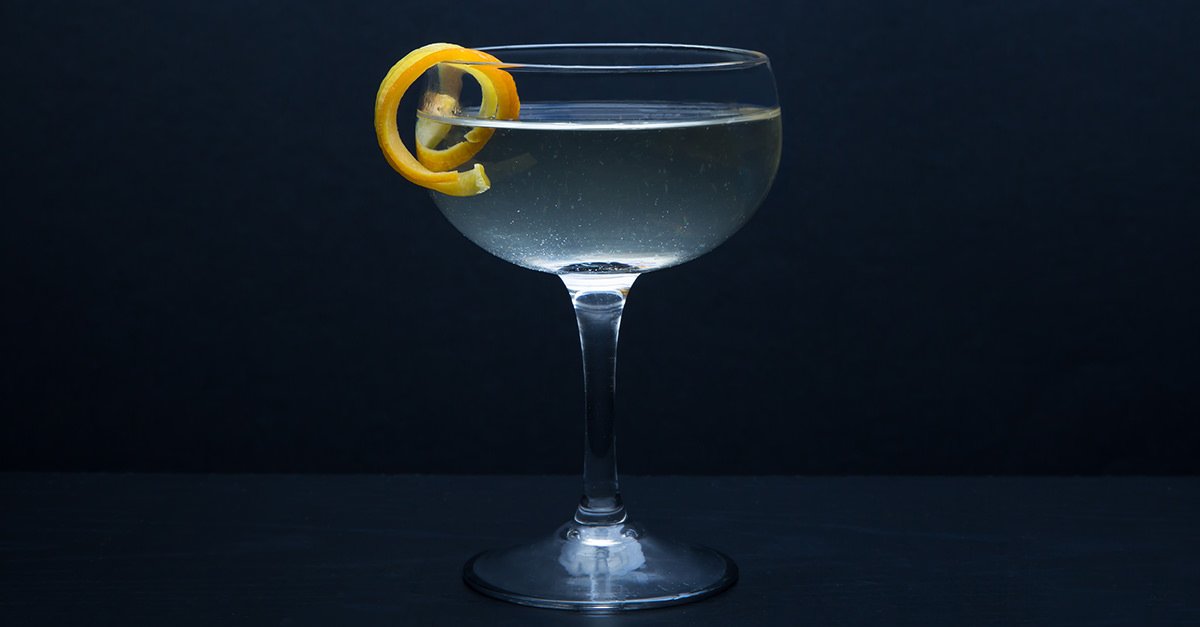
By the early 20th century, the Dry Martini had become a symbol of sophistication. Clean, sharp, and endlessly debated in its proportions, it was the drink of choice for writers, actors, and spies. A simple mix of gin and vermouth, garnished with an olive or a twist, it remains timeless — the very definition of cocktail elegance.
Fun fact: James Bond’s famous line “shaken, not stirred” actually goes against tradition — purists argue stirring keeps the drink colder and clearer.
From remedy to ration to ritual, gin remains a spirit of reinvention — crisp in a Gin & Tonic, bold in a Negroni, timeless in a Martini. RIVO embodies that reinvention, while what began as monastic medicine is now culture in a glass, history distilled and poured anew.