
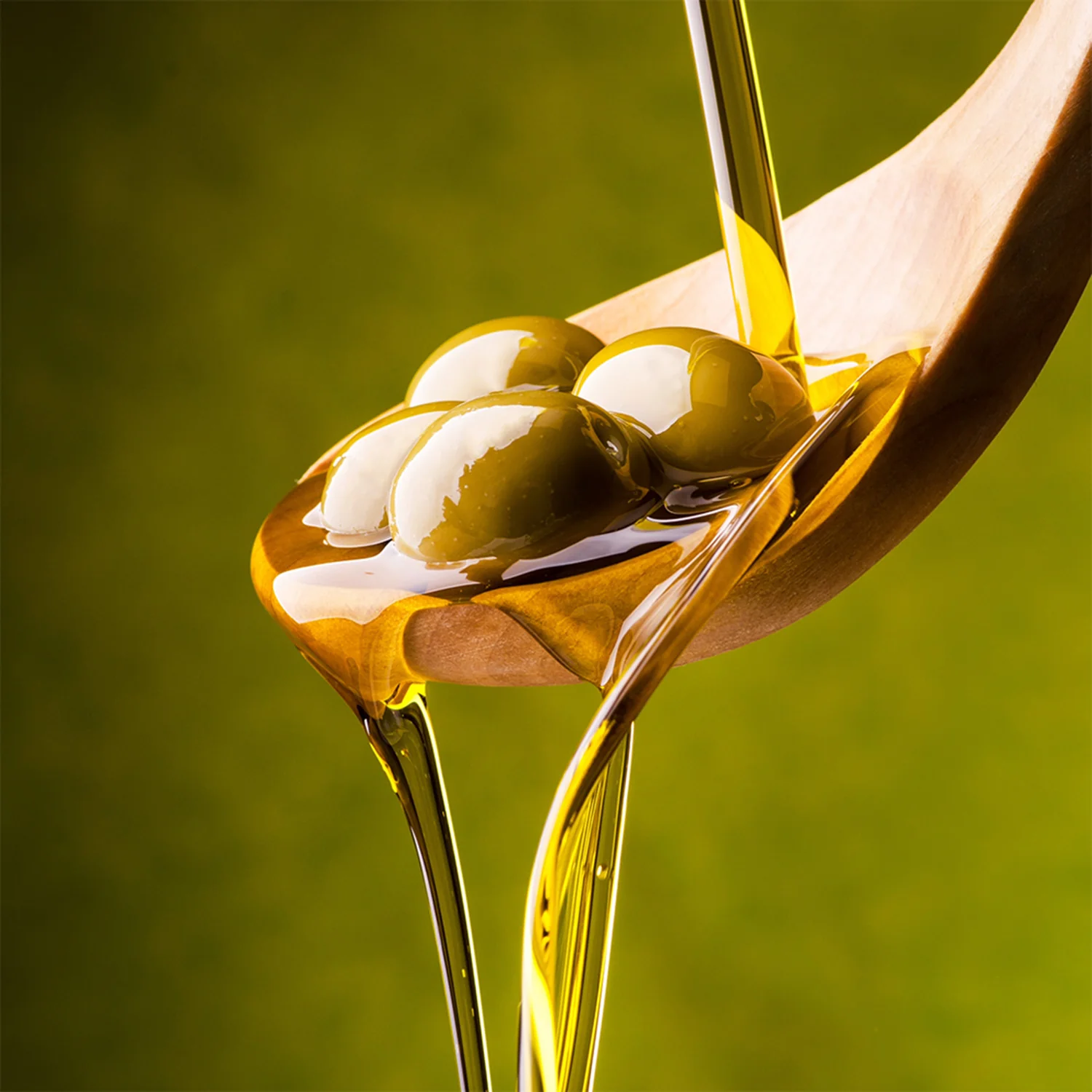
If there’s one ingredient worth splurging on in your kitchen, it’s a great extra virgin olive oil (EVOO). It’s not just a cooking fat — it’s a fresh, antioxidant‑rich fruit juice with flavour, purity, and health benefits that cheaper oils simply can’t match.
It starts with how it’s made
EVOO is cold‑pressed from fresh olives with no heat, no chemicals, and no refining. The best producers harvest early and crush the olives within hours, preserving aroma, nutrients, and that distinctive peppery finish. This minimal processing keeps the oil naturally stable for up to two years without preservatives.
Not all olive oil is the same, quality is defined by free acidity, a chemical marker of fruit freshness and processing speed:
- Below 0.8% → Extra Virgin Olive Oil
- 0.8%–2% → Virgin Olive Oil
- Above 2% → Pomace/Lampante (industrial, not suitable for the table)
The world’s finest EVOOs reach 0.1–0.3%, indicating perfect olives and ultra‑fast milling. You can’t taste acidity directly, but you can taste the quality it reflects.
What EVOO actually does for you
Decades of research consistently show that regular EVOO consumption:
- Protects heart health by lowering harmful LDL and supporting healthy blood pressure
- Supports brain health — even half a tablespoon a day is linked to lower dementia‑related mortality
- Reduces inflammation thanks to compounds like oleocanthal (responsible for the peppery throat sensation)
- May reduce the risk of certain cancers, especially breast and digestive cancers
- Helps with weight management by increasing satiety despite being a fat
EVOO is one of the most thoroughly researched foods in human nutrition, and its benefits remain remarkably consistent across large, long‑term studies.
How to choose a great EVOO
A high‑quality EVOO cannot be cheap — around 100 kg of olives yield only about 12 litres of good oil. To ensure you’re getting the real thing, look for:
- At harvest date (not just “best before”)
- Dark glass or tins, which protect the oil from light‑driven oxidation
- Early‑harvest, green olives, which contain higher levels of polyphenols
- Single‑estate or single‑origin oils for better traceability
- A bitter, peppery finish, the unmistakable sign of high polyphenol content
Colour can offer clues, but it’s not reliable on its own. Trust aroma, taste, and the information on the label.
Beautifully written, Mario. Extra virgin olive oil really is one of those ingredients people often underestimate until they taste the real thing.
For us Mediterranean people, EVOO is not just a fat or a condiment, it is culture, memory, health, and daily ritual in one bottle. A good olive oil can transform the simplest dish, bread, tomato, fish, or vegetables, into something alive.
I especially like that you explained the difference between real EVOO and lower-quality oils. Many people still choose olive oil only by price, but once you understand harvest date, freshness, bitterness, and that peppery finish, you realise why good oil deserves respect.
Liquid gold is the perfect name. Bravo.