
How Our Food & Drinks Are Made
When we pick up a bottle of wine, beer, liquor, olive oil, or any agricultural product, we often focus on taste, price, or brand. Yet behind every sip or drizzle lies a production style that shapes not only the quality of the product but also its impact on the environment — and ultimately, on us.
Conventional: Still the most common: cheap, efficient, and backed by big corporations. In fields and farmland, it means heavy reliance on chemical insecticides. While these fight disease, they also poison soil, disrupt ecosystems, and put farmers’ and consumers’ health at risk. It “works,” but at a hidden cost: degraded land, weakened ecosystems, and chemical residues that reach our tables.
Organic: Avoids synthetic pesticides, herbicides, and fertilizers, relying instead on compost, cover crops, and biological pest control. The goal is balance: protecting soil fertility, encouraging biodiversity, and reducing harmful residues in the final product. Yields may be lower and costs higher, but organic represents a conscious choice to prioritize sustainability and health.
Sustainable: Focuses on reducing environmental impact while keeping farms economically viable and socially fair. Practices include water conservation, renewable energy, soil care, and fair labor. Importantly, sustainable does not always mean organic — some systems may still use limited chemicals if deemed necessary. The emphasis is on balance: producing quality crops today without compromising tomorrow.
Bio-dynamic: Goes further than organic by treating farmland as a living organism. It uses natural preparations made from herbs, minerals, and compost, and often aligns planting and harvesting with lunar cycles. The aim is harmony — restoring vitality to the land and producing crops with strong character. Bio-dynamic products carry a distinct identity: not just chemical-free, but grown with a holistic vision that seeks balance between nature and humanity.
Natural: Aims for minimal intervention. No synthetic chemicals, no additives, and often no filtration or manipulation during processing. The philosophy is simple — respect the raw ingredients and let them express themselves authentically. The result: products with unique character, sometimes unpredictable, but always closer to the essence of the land itself.
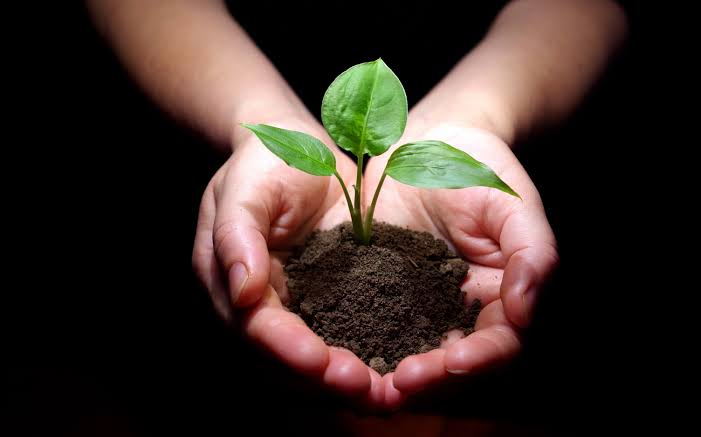
The choice isn’t just about flavour or price; it’s about the kind of agriculture we want to support and the future we want to cultivate.